In today’s digital landscape, domain names have become powerful assets, especially in Asia’s rapidly growing online markets. Securing a memorable and meaningful domain is increasingly essential for companies aiming to establish brand recognition, credibility, and accessibility.
In many Asian countries, the value of a domain goes beyond mere branding; it’s often viewed as a status symbol, with shorter and more recognizable names commanding significant premiums. The surge in digital adoption and e-commerce across Asia has further fueled demand for premium domains, with companies spending millions to own top-level names that resonate with their target audiences.
The list of Asia’s expensive domain names showcases the strategic thinking behind these purchases and the distinct cultural significance attached to names and numbers.
Many of these domains were bought by tech giants, financial firms, and digital service providers looking to fortify their market presence with an easy-to-remember online identity. These companies have secured vital digital real estate that enhances brand recall and customer trust by investing in domains that match their brand names or align with industry terms. These high-profile acquisitions highlight the importance of domains as long-term assets in Asia’s dynamic digital economy.
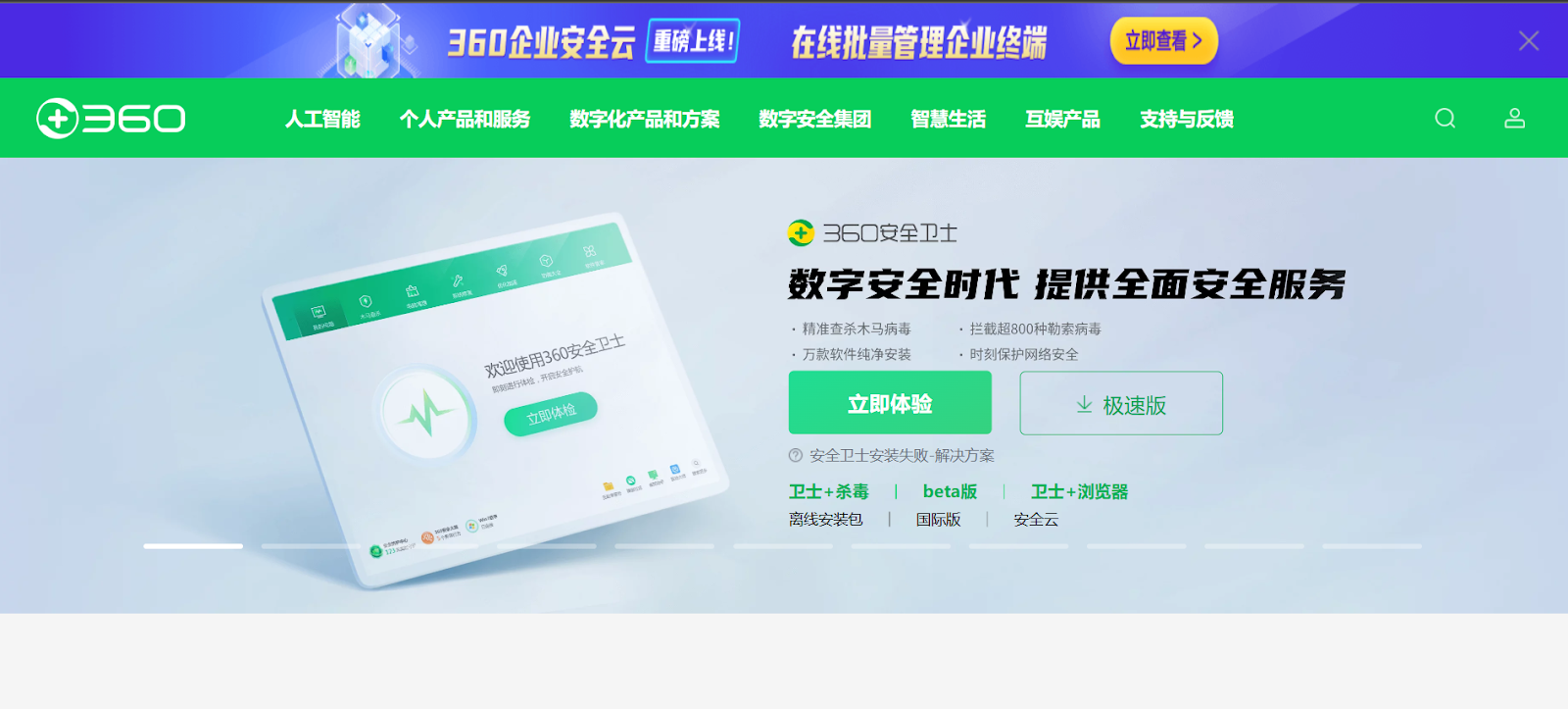
1. 360.com – $17 million (2015)
- Deal Background: In 2015, Qihoo 360, a leading Chinese internet security firm, acquired the domain 360.com from Vodafone for $17 million. This was part of Qihoo 360’s strategy to expand its global brand presence. Qihoo 360 is known for its antivirus and internet security services, and the number “360” in China symbolizes completeness and protection.
- Reason for the Deal: Securing the 360.com domain provided Qihoo 360 with a memorable and authoritative web address. This was seen as an important move to align the brand with the company’s existing name and boost international recognition, particularly as it expanded its services beyond China.
2. We.com – $8 million (2015)
- Deal Background: Wealth Evolution, a Chinese financial services company, acquired We.com for $8 million in 2015. The domain name “We” was chosen for its simplicity and symbolic meaning of unity and inclusiveness. Wealth Evolution sought to tap into the growing online financial services sector by establishing an easy-to-remember brand presence.
- Reason for the Deal: The purchase of We.com aligned with Wealth Evolution’s mission to provide accessible financial services to a broad audience. The domain was ideal for building trust, as it conveyed a sense of community and collaboration, which is key in the financial services industry. Unfortunately, the website is currently inactive.

3. Z.com – $6.8 million (2014)
- Deal Background: GMO Internet, a major Japanese internet services company, purchased the single-letter domain Z.com from Nissan for $6.8 million in 2014. This acquisition was part of GMO’s plan to strengthen its global brand presence, offering services ranging from domain registration to financial services.
- Reason for the Deal: Owning a single-letter .com domain is rare, and Z.com provided GMO with a highly memorable and brandable asset. The domain’s brevity and simplicity made it easier to market and use across various services, enhancing the company’s online visibility.

4. Korea.com – $5 million (2000)
- Deal Background: In 2000, Korea.com was sold for $5 million. The domain was purchased to create a digital gateway for South Korean news, culture, and services, targeting both domestic and international audiences. The buyer envisioned Korea.com as a portal to connect people with South Korean content.
- Reason for the Deal: Korea.com served as an online hub for promoting South Korea globally, especially as the country’s influence in areas like technology and entertainment grew. The domain played a key role in positioning South Korea as a global player, catering to users interested in the nation’s developments.

5. JD.com – $5 million (2013)
- Deal Background: JD.com, the two-letter domain, was purchased by Jingdong, one of China’s largest e-commerce companies, for $5 million. Jingdong, often referred to as JD, was transitioning from its former domain, 360buy.com, to JD.com as part of a major rebranding effort to simplify its identity and align more closely with its brand name. The acquisition of JD.com provided the company with a concise and memorable web address.
- Reason for the Deal: Owning JD.com allowed Jingdong to create a consistent brand that was easy for customers to remember and access. As Jingdong expanded both its customer base and its offerings, the short and simple domain strengthened its online presence and facilitated its rise as a major player in the Chinese e-commerce market, eventually becoming one of Alibaba’s primary competitors.

6. Mi.com – $3.6 million (2014)
- Deal Background: Xiaomi, one of China’s leading electronics companies, acquired Mi.com in 2014 for $3.6 million. Xiaomi, which produces smartphones and other consumer electronics, purchased the domain as part of a strategy to simplify its web presence and boost international recognition.
- Reason for the Deal: The “Mi” in Mi.com stands for “Mobile Internet,” aligning with Xiaomi’s focus on mobile technology. The shorter domain made it easier for customers around the world to remember and access the company’s website, supporting Xiaomi’s expansion into global markets.

7. Game.com – $3.4 million (2014)
- Deal Background: In 2014, Game.com was acquired by a Chinese company specializing in online gaming. The domain is straightforward, easily recognizable, and directly relevant to the gaming industry, making it highly valuable. Game.com served as a strategic branding asset, as the term “game” is universal and resonates with gamers worldwide.
- Reason for the Deal: By securing Game.com, the buyer tapped into the fast-growing online gaming market, providing an easily accessible and memorable online destination for gaming enthusiasts. The domain’s simplicity and relevance allowed the company to attract a wide audience and improve brand recognition, leveraging the domain as an anchor in the competitive online gaming industry.

8. VIP.com – $3 million (2013)
- Deal Background: In 2013, Chinese e-commerce giant VIPShop acquired VIP.com for $3 million as part of its rebranding strategy. VIPShop is a leading online retailer known for its flash sales, primarily selling discounted branded products. Acquiring VIP.com allowed the company to simplify its web presence with a domain that aligns directly with its brand name, making it more accessible and appealing to its customer base.
- Reason for the Deal: The term “VIP” conveys exclusivity and quality, fitting VIPShop’s mission to offer branded products at competitive prices. The shorter domain enhanced brand recognition, making it easier for customers to remember and find the site.

9. Youxi.com – $2.43 million (2014)
- Deal Background: Youxi.com, which means “games” in Chinese, was sold for $2.43 million in 2014. The buyer aimed to create a prominent online destination for gaming enthusiasts in China, capitalizing on the country’s rapidly growing gaming industry.
- Reason for the Deal: The domain name directly represents the gaming industry, making it an ideal choice for a gaming portal. With the online gaming market booming in China, Youxi.com was a valuable asset for attracting gamers and building an authoritative platform in the industry.
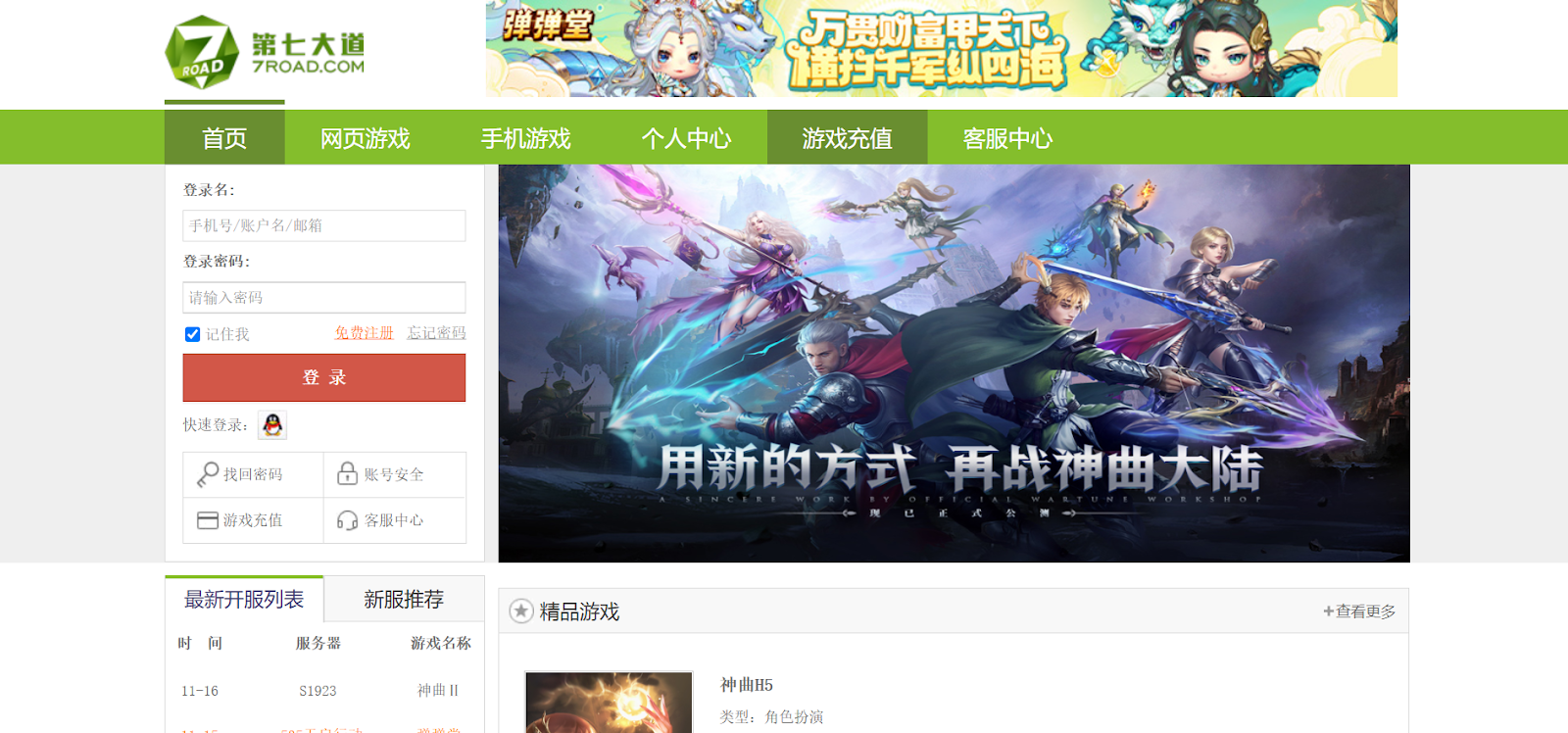
10. Wan.com – $2 million (2014)
- Deal Background: In 2014, Wan.com was acquired by a Chinese company. The word “Wan” translates to “10,000” in Chinese and often signifies abundance, which gives it broad appeal across various industries. This numeric and meaningful domain was a valuable asset, providing flexibility for branding in finance, tech, or general e-commerce.
- Reason for the Deal: The buyer likely aimed to use Wan.com as a versatile and prestigious brand platform. Given its universal appeal and ease of pronunciation, this domain represented a valuable investment for building brand credibility and capturing a broad audience.

11. 37.com – $1.96 million (2014)
- Deal Background: 37Wan, a Chinese gaming company, acquired 37.com for $1.96 million in 2014. The company was already well-known in China’s gaming community, and the domain name matched its brand identity.
- Reason for the Deal: The acquisition of 37.com allowed 37Wan to have a direct and easily recognizable online presence. By owning the numeric domain that matched its brand, the company strengthened its identity and made it easier for users to find and access its gaming platform.

12. Meituan.com – $1.5 million (2010)
- Deal Background: In 2010, Meituan, a Chinese online platform for local food delivery, retail, and other services, acquired Meituan.com as it expanded its services. The domain matched the company name, making it essential for building a unified brand presence. Meituan has since become one of China’s largest on-demand service platforms, serving millions across the country.
- Reason for the Deal: By securing Meituan.com, the company established a strong online presence that matched its brand identity. The domain’s consistency with the company name has helped Meituan become easily recognizable, supporting the company’s rapid growth in China’s highly competitive digital service sector.

13. Baidu.com – Estimated at $1.3 million (1999)
- Deal Background: In 1999, Baidu, now China’s largest search engine, acquired Baidu.com as it prepared to launch its search platform. The company name “Baidu” means “hundreds of times” or “endless search” in Chinese, reflecting the brand’s mission to deliver comprehensive information. Owning Baidu.com was pivotal for establishing a strong online identity as the company sought to rival other search engines.
- Reason for the Deal: Baidu.com became the foundation of Baidu’s brand and helped it become a household name in China. With a domain that matched its name and mission, Baidu was able to attract users easily and build credibility in the competitive search engine market. The domain has remained central to Baidu’s success, supporting its growth into one of China’s leading internet companies.
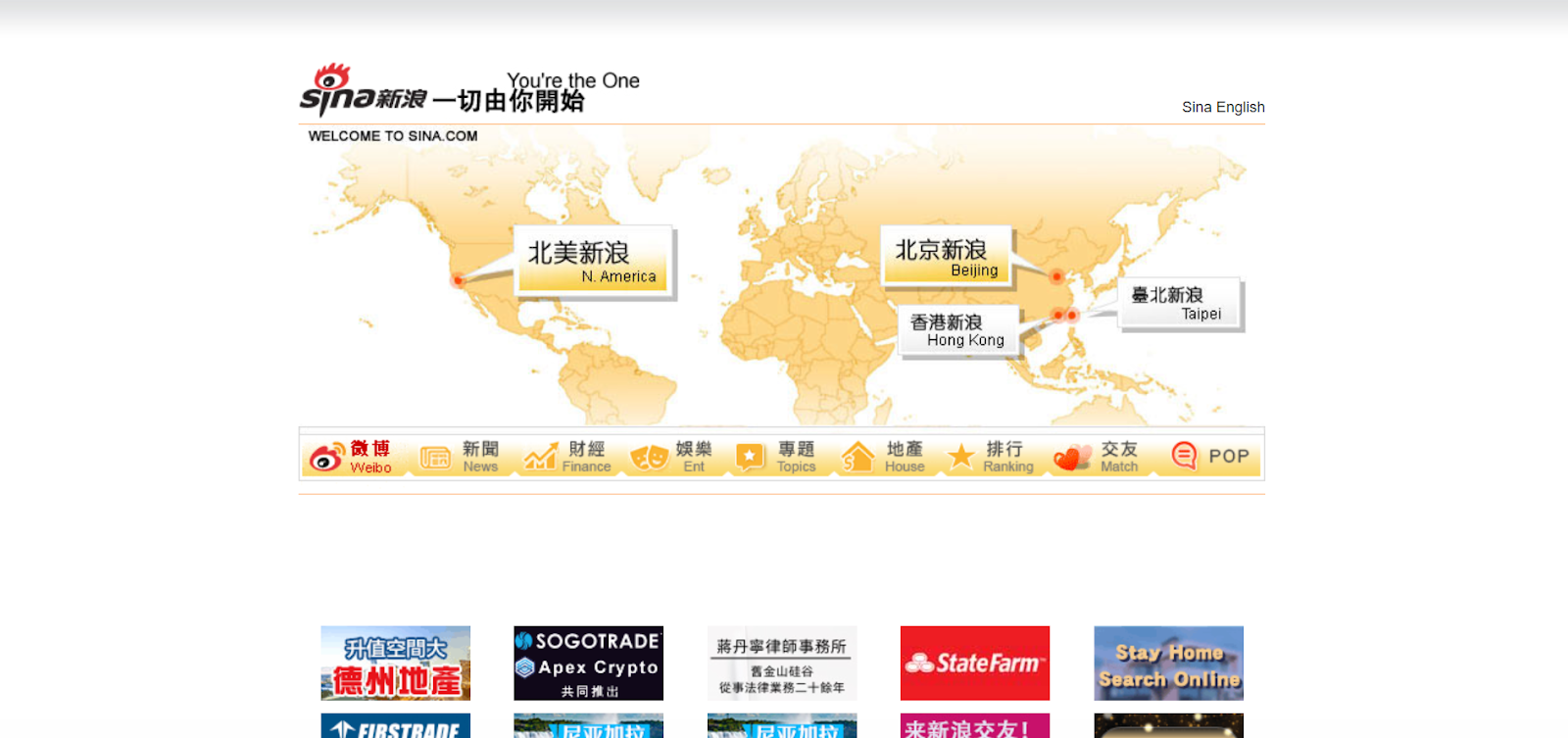
14. Sina.com – $1.2 million (2000)
- Deal Background: Sina.com, a Chinese online media giant, purchased this domain for $1.2 million to establish a central online portal for news, entertainment, and social networking services. Sina is one of China’s leading online media companies, and owning Sina.com allowed it to build a strong digital presence with a domain that directly matched its brand name.
- Reason for the Deal: As one of China’s earliest internet companies, Sina aimed to position itself as a central information source for Chinese users. The acquisition of Sina.com gave the company an instantly recognizable and brand-aligned domain, helping it attract a large audience and build a trusted platform in the rapidly evolving internet landscape.
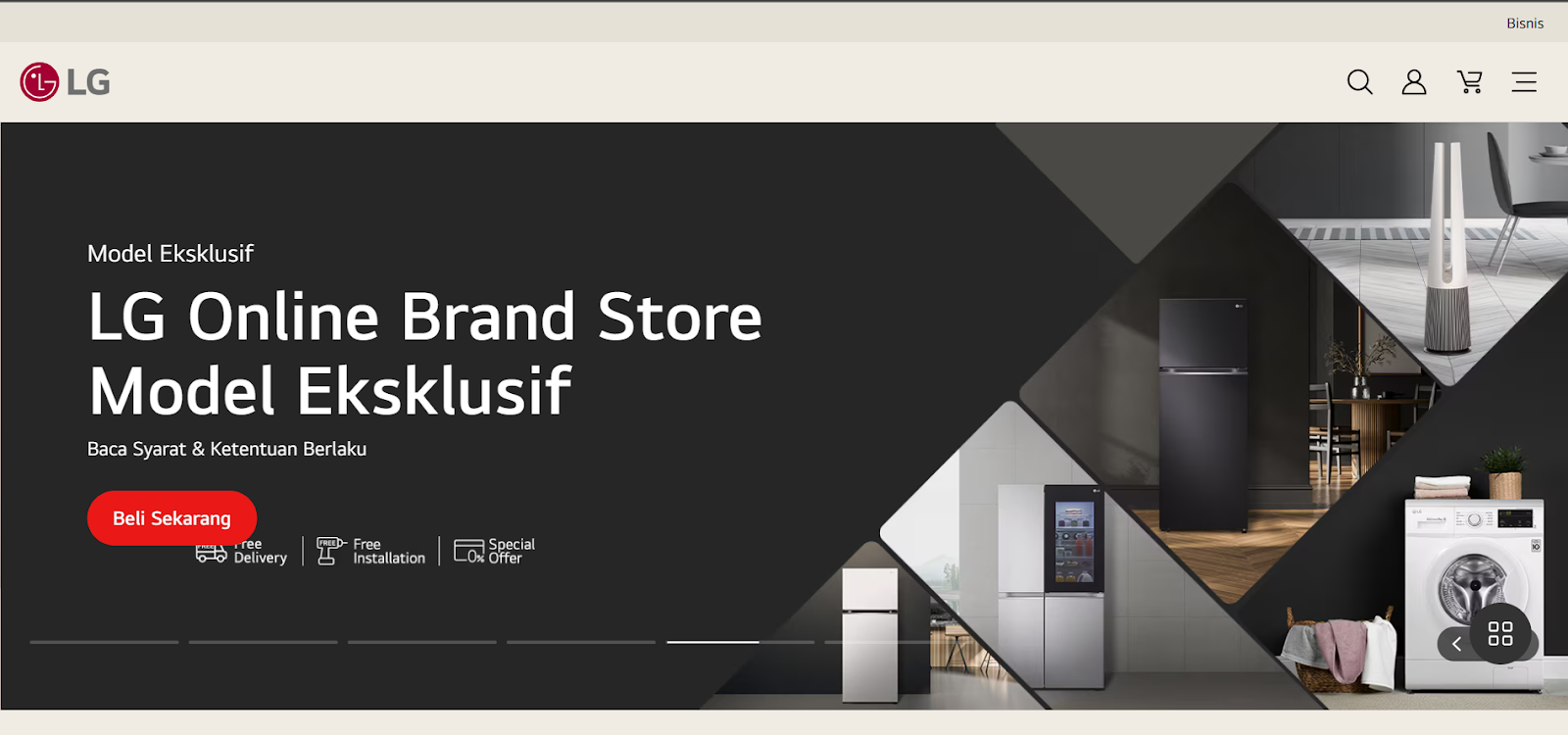
15. LG.com – Estimated at over $1 million (date undisclosed)
- Deal Background: LG Electronics, the South Korean multinational, acquired LG.com to streamline its digital identity under the concise brand name “LG.” This acquisition gave LG Electronics a clear, memorable online address matching its brand initials. LG.com serves as the company’s primary portal for global customers, showcasing products across electronics, home appliances, and telecommunications.
- Reason for the Deal: Owning LG.com reinforced the brand’s reputation as a major player in the electronics industry. The simple, recognizable domain strengthens LG’s global brand presence and accessibility, making it easier for customers worldwide to connect with the company’s offerings.
This list of Asia’s expensive domain names reflects the strategic value that Asian companies place on owning short, memorable, and culturally significant domain names to enhance their digital presence.
SEAtongue’s expertise also extends to the tech sector, where we assist software companies in adapting products, technical documentation, and user support materials for various Asian languages and cultural contexts. With a team experienced in handling complex technical content and a deep understanding of regional nuances, SEAtongue provides reliable, accurate language solutions that enable tech and gaming companies to succeed in new markets with confidence.